Myths and Monsters

I am an avid reader and my personal hell is not having any books to read. It has always been an anxiety of mine which meant overborrowing from the library, overbuying at the book store, and packing too many books on trips. When I began my practice retirement I knew I wanted to lean more into reading in community, so I joined book clubs and set myself reading challenges and learned the joys of the slow read as well as the serendipity of reading multiple books. After slow reading Stephen King’s The Stand, I was inspired to read Monsters in the Archives. We follow Carline Bicks on a fascinating journey through the King archives as she compares the stories that fascinated her (and many of us) with early drafts and occasional conversations with the author. This is a fascinating read as both a reader and a writer, but what really has me thinking is how the best writers are always exploring those universal questions that all humans struggle to resolve. Yes, we read for enjoyment and escape, but the stories that really resonate, that we choose to re-read and discuss with friends and strangers when we find them reading in the wild, those stories grapple with coming of age questions: who are we going to become and what kind of world will we inherit as well as warnings and cautionary tales of what might come if we make the wrong choices. What makes these stories even more delicious is the fact that we are never making these choices in a vacuum. We are surrounded by influences and pressures that often tell us to care about all the wrong things.
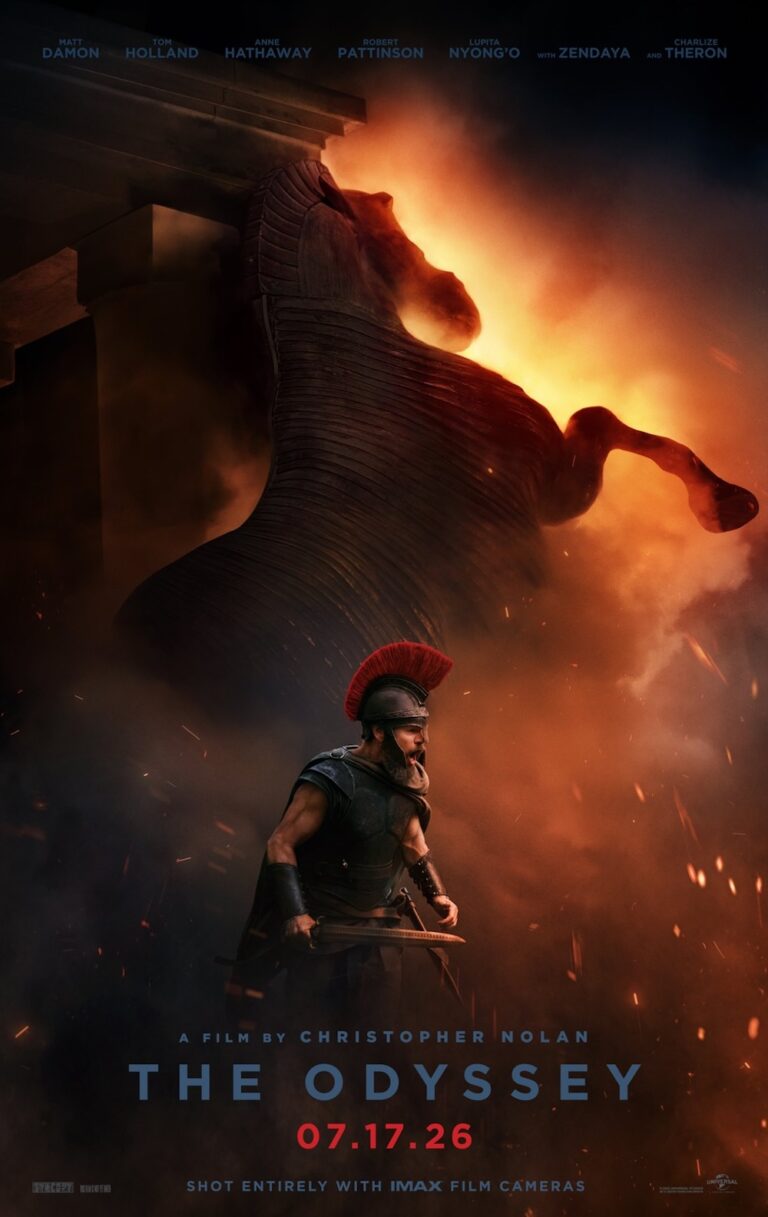
I’ve been thinking about these ideas and recognizing that I am not just a writing evangelist, I am a reading evangelist. I have always understood the connection between reading and writing and that was one of the reasons I always taught my students rhetorical analysis. I have also long understood the ways that stories can help us understand ourselves and our world, but reading Monsters in the Archives while contemplating the range and depth of Demon Copperhead and reflecting on the conversations surrounding the epic Odyssey has me contemplating the moral justification for reading and writing stories. Perhaps, even more important, the need to discuss stories in community.
Stephen King often stresses how both his reading and writing have helped him work through difficult life transitions which may be why we are so drawn to coming of age or transition stories as an art form. Who we are going to become is question we ask ourselves during each new season of life from growing up to forming a family to retirement. The discourse about the Odyssey has us asking what ideals and actions will betray or undermine our society (see The Odyssey’s Journey Through the Discourse) and what it means to be “heroic” (see Tell Me the Story of a Complicated Man). On Vibe Check Saeed and Zach discuss how much the Odyssey is about the masculine need for therapy and what they will do to avoid dealing with their messy feelings. Is this perhaps the true root of Christopher Nolan’s oeuvre?
How are you coming of age or in transition? Who do you want to become? Who are you afraid to become? How are you/we bringing about the destruction of our society? What messy feelings and monsters do you need to write about this week?